ISX CM870 vs CM871: What Changed and Why It Matters
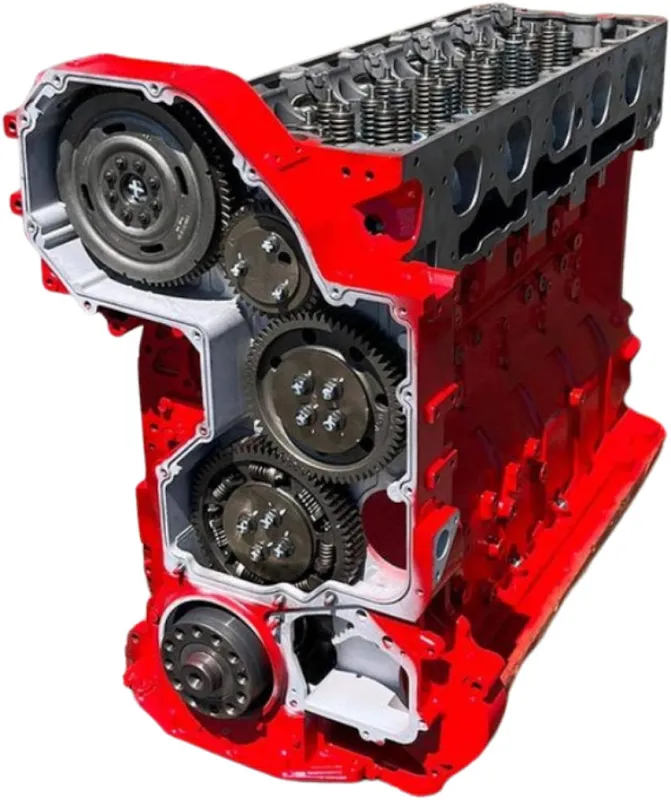
Understanding the ISX CM870 vs CM871: A Complete Comparison
The Cummins ISX CM870 and CM871 represent two critical generations of the ISX engine platform, separated by the 2007 EPA emissions mandate that fundamentally changed diesel engine design. If you're shopping for a remanufactured ISX engine, understanding these differences is essential to making the right choice for your truck or equipment.
The Emissions Divide: Pre-DPF vs DPF Era
The single biggest difference between the CM870 and CM871 is the emissions technology. The CM870 (2003-2006) uses only EGR (Exhaust Gas Recirculation) to meet EPA 2004 standards. The CM871 (2007-2009) adds a DPF (Diesel Particulate Filter) to meet the stricter EPA 2007 requirements.
This means the CM871 has additional components: a DPF housing, DOC (Diesel Oxidation Catalyst), and the associated sensors and regeneration system. Many owner-operators prefer the CM870 for its simplicity, while fleets often prefer the CM871 for its cleaner emissions profile.
Fuel System Differences
Both engines use the Cummins HPI (Hydraulic Pressure Intensified) fuel system, but the CM871 received updates to improve injection timing precision for better combustion and lower particulate output. The CM871 injectors operate at slightly higher pressures and have modified spray patterns.
Turbocharger Technology
The CM870 uses a fixed-geometry turbocharger, while the CM871 introduced the Holset VGT (Variable Geometry Turbocharger). The VGT provides better response across the RPM range and is critical for the exhaust temperatures needed for DPF regeneration. However, VGT actuator failures are one of the most common CM871 issues.
ECM and Electronics
The CM870 runs on an earlier ECM calibration with fewer sensors and simpler diagnostics. The CM871's ECM manages additional systems including DPF soot loading calculations, regeneration cycles, and VGT position control. This means more potential fault codes but also more precise engine management.
Common Problems by Generation
CM870 Common Issues:
- EGR cooler failures and coolant leaks
- Camshaft lobe wear (especially early production)
- Injector cup cracking
- Oil consumption from worn valve guides
CM871 Common Issues:
- VGT turbo actuator failures
- DPF clogging and failed regenerations
- EGR valve sticking
- Aftertreatment temperature sensor failures
Which One Should You Choose?
For owner-operators who want simplicity and lower maintenance costs, the CM870 is often the preferred choice. It has fewer emissions components to fail and is generally less expensive to maintain. For fleets operating in states with strict emissions inspections, or for applications requiring EPA 2007 compliance, the CM871 is the necessary choice.
At US Engine Production, we remanufacture both the CM870 and CM871 to OEM specifications. Every engine is dyno-tested and backed by our 1-year unlimited mileage warranty. Call us at 1-631-991-7700 for a quote on either engine.